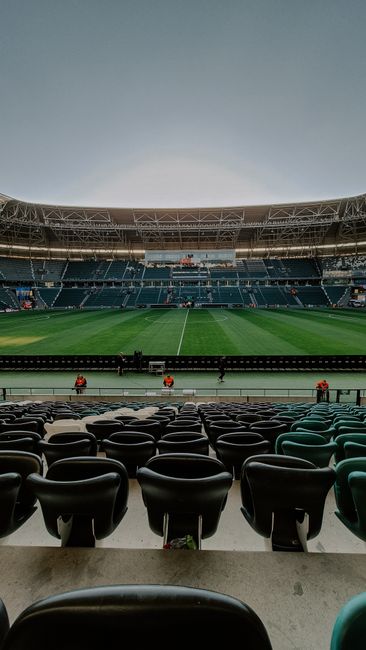
Twickenham Stadium Removals and Post Event Move Tips: A Practical Guide for Stress-Free Local Moving
If you've ever tried to move on a day when Twickenham feels busy, loud, and just a little chaotic, you'll know the feeling: vans circling, pavements full, and everyone seems to be in a rush. That's exactly why Twickenham Stadium removals and post event move tips matter. Whether you are moving home, shifting furniture, handling student belongings, or planning a same-day clear-out after a big event, the difference between a smooth move and a frazzled one usually comes down to timing, preparation, and local know-how.
This guide breaks down what to expect, how to plan around stadium traffic, and how to protect your time, your items, and your sanity. We'll also cover practical packing habits, the best type of vehicle for different jobs, and the small decisions that make a surprisingly big difference after event day. Truth be told, it is often the little things that save the move.
Table of Contents
- Why Twickenham Stadium removals and post event move tips matters
- How the process works around stadium event days
- Key benefits and practical advantages
- Who this is for and when it makes sense
- Step-by-step guidance
- Expert tips for better results
- Common mistakes to avoid
- Tools, resources and recommendations
- Law, compliance, standards, or best practice
- Options, methods, or comparison table
- Case study or real-world example
- Practical checklist
- Conclusion
- Frequently asked questions
Why Twickenham Stadium removals and post event move tips Matters
Moving near Twickenham Stadium is not the same as moving on a quiet suburban street. Event schedules can change the whole rhythm of the area. Roads that are usually manageable can become slower, parking can tighten up, and even a short loading stop may take longer than expected. If you are not planning for that, a normal move can suddenly feel messy.
That is especially important for people moving out of flats, shared houses, or family homes close to stadium routes. A simple delay of twenty minutes can disrupt a lift booking, a handover slot, or a chain of other plans. If you are coordinating with a property manager or landlord, that pressure can stack up quickly.
Post-event moves add another layer. After a match, concert, or large gathering, people are often tired, roads are busier than expected, and the general mood is a bit drained. You may have boxes, furniture, or bags to get out fast, but not in a reckless way. Planning ahead helps you avoid damaged items, stressed neighbours, and unnecessary back-and-forth.
There is also a practical business angle. For anyone arranging a local removals job, clear access and realistic timing usually mean a cleaner, cheaper, calmer move. That is why people often look at options like man and van support for smaller loads or a more complete removals service when the job is larger or time-sensitive.
How Twickenham Stadium removals and post event move tips Works
The basic idea is simple: you plan your move around the stadium environment, not just around your own schedule. That means thinking about event days, loading access, parking space, road congestion, lift access, and how long your team will actually need on site.
A good move plan starts before moving day. Ideally, you confirm the access route, where the vehicle can stop, whether there are any estate rules, and how long you can safely spend loading. Then you match the vehicle and crew to the job. A small flat move may only need a removal van, while a full household move may be better handled through house removals or home moves.
Post-event, the process becomes more about timing and order. You want the heaviest or most awkward items handled first, with fragile boxes kept separate and easy to identify. If there is furniture to dismantle, or items that need to be wrapped carefully, pack those in a way that makes them easy to lift quickly once the vehicle arrives. It sounds obvious. Still, you'd be surprised how often the kettle ends up buried under six boxes of books.
For larger or more complex loads, it may be worth considering a moving truck or removal truck hire. If you're moving a few items from a flat near stadium traffic, a lighter option may be enough. The key is to match the method to the reality of the job, not the ideal version of it.
Key Benefits and Practical Advantages
When you plan a move properly around Twickenham Stadium, the benefits are not just about convenience. They show up in the details: less waiting, fewer damaged items, fewer awkward conversations with neighbours, and a better chance of finishing on time.
- Less disruption: You can avoid the worst of event-day traffic and stop-start movement.
- Cleaner packing: A planned move gives you time to label and group items sensibly.
- Lower risk of damage: Calm loading is usually safer than last-minute rushing.
- Better use of labour: Movers spend more time moving items, less time waiting for access.
- Less stress on the day: A clear plan gives you a bit of breathing room, which matters more than people admit.
There is also a financial benefit. When access is smooth and the job is scoped correctly, you are less likely to pay for unnecessary time. If you want to compare service levels, checking pricing and quotes early can help you understand what kind of support fits your move.
And let's face it, a move that finishes without a scramble feels better. You arrive, boxes go where they should, and the day doesn't spiral. That alone is worth planning for.
Who This Is For and When It Makes Sense
This guidance is useful for a wide range of people, but especially if your move is happening in or around Twickenham on a busy event day. A few common examples stand out.
- Home movers: Families or couples moving in or out of houses and flats near the stadium.
- Students: Anyone shifting smaller loads, especially with timing pressure and budget limits.
- Office teams: Small businesses and local organisations that need timing discipline and careful logistics.
- People moving furniture only: If you are buying or selling items and need safe collection or drop-off.
- Last-minute movers: Anyone who suddenly needs same-day removals after a delay, cancellation, or plan change.
It also makes sense for people who simply want less friction. Not every move needs a full-scale project plan, but even a modest amount of prep can make a big difference. If you are moving from a flat or compact property, flat removals are often easiest when the route, parking, and lift access are checked in advance.
For commercial moves, timing matters even more. Staff need to keep working, equipment needs to arrive intact, and disruption should stay low. In those cases, it can be worth looking at commercial moves or office removals so the plan fits the business, not the other way round.
Step-by-Step Guidance
If you want the move to feel under control, work through it in order. Not glamorous, but effective.
- Check the date against stadium activity. If there is a major event, allow extra time for access and loading.
- Measure access properly. Stairwells, lifts, door widths, and vehicle stopping space all matter.
- Separate what is moving now from what is staying. The more clearly you sort this, the less panic later.
- Pack by room and priority. Keep essentials easy to reach and avoid mixing heavy items with fragile ones.
- Label everything in plain English. "Kitchen - daily use" is better than a cryptic code that no one remembers at 4.30pm.
- Protect awkward items early. Mirrors, lamps, artwork, and electronics often need more than a blanket and hope.
- Choose the right vehicle. A man with van setup can suit smaller jobs; bigger loads may call for a removal services approach.
- Build in buffer time. If you think it will take two hours, plan as if it could take three. It sounds cautious, but it saves arguments.
- Keep essentials aside. Documents, chargers, medication, keys, and a kettle if you are the kind of person who panics without tea.
- Confirm the end point. Make sure the receiving property is ready, accessible, and not being forgotten while you focus on the departure side.
For people who need help with packing, a packing and boxes service or packing and unpacking services can take a lot of the strain out of the job. It is one of those decisions you tend to appreciate most after the move, not before.
Expert Tips for Better Results
After enough local moves, a few patterns become obvious. The smoothest jobs are not always the smallest ones. They are usually the ones where people prepared properly and stayed flexible when the day shifted a bit.
Tip one: move the awkward items first. If you have bulky furniture, oversized boxes, or anything fragile and oddly shaped, get those sorted while everyone still has energy. By mid-afternoon, nobody wants to wrestle a sofa through a tight doorway.
Tip two: keep a clear landing zone. Before the van arrives, make sure the hallway, front step, or collection area is uncluttered. A clear route is faster and safer. It also makes a place look less like a jumble sale, which is nice.
Tip three: separate things by destination. If some items are going into storage, and some are going straight to the new address, mark that clearly. A short-term storage plan can be sensible when access is limited or you need to stagger the move. In that case, storage is often a practical bridge, not a failure of planning.
Tip four: protect time-sensitive moves with backup options. If the day is tight, it can help to have a second moving option in mind. Some people use a man with a van for quick turnarounds, while others prefer the reassurance of a fuller team. There is no prize for using the biggest vehicle, after all.
Tip five: think about what happens after unloading. Where will the bed go? Where will boxes be stacked? Do you need a plan for white goods, bulky furniture, or items heading to another property later in the week? These questions are boring until the van is waiting outside and everyone starts looking at each other.
One more small thing: if you are getting rid of furniture as part of the move, make sure the removal route includes collection or disposal arrangements. For that, furniture removals or furniture pick up can keep the job tidy and prevent clutter from following you into the next chapter.
Common Mistakes to Avoid
Most move problems around Twickenham are not dramatic disasters. They are small, avoidable errors that stack up. Here are the ones people trip over most often.
- Leaving booking too late: Event-heavy dates go fast, and flexibility disappears quickly.
- Underestimating parking difficulty: A van is no use if it cannot stop safely near the property.
- Packing too loosely: Loose items shift and damage other belongings.
- Not measuring large items: Sofas, wardrobes, and mattresses are a lot less charming when they will not fit through a doorway.
- Mixing essentials with non-essentials: You do not want to be hunting for your charger under a pile of cookware at 9pm.
- Forgetting the return journey: A one-way plan sounds neat until you realise someone needs to pick up keys, documents, or a second load.
- Ignoring traffic build-up: Even a normal weekday can become awkward around event schedules.
Another common one is assuming all removals jobs work the same way. They do not. A student move is different from a family relocation, and both are different again from a small business clear-out. If you need a lighter-touch option, student removals can be a sensible fit. If the job is broader, look at house removals or a full removal company style arrangement if the service scope suits you. Small mismatch, big headache.
Tools, Resources and Recommendations
You do not need a fancy toolkit to move well, but a few basics make life easier. A marker pen, labels, tape, protective wrap, a dolly or trolley where suitable, and a simple room-by-room checklist will do more than most people expect.
If the move is likely to involve multiple stages, such as leaving one property in the morning and unloading later in the day, think in terms of sequence rather than speed. That means having your keys, route notes, and item list ready before the vehicle arrives. It sounds mundane. It is also where smooth moves are made.
For business moves or time-critical relocations, it can help to use a provider that offers office relocation services and understands how to keep things moving without causing disruption. For everyday house and flat moves, a dedicated house removalists approach can give you more practical handling than trying to improvise with help from three different friends and a hatchback.
There is also the question of trust. Before you hand over your belongings, it is reasonable to check the company's insurance and safety information, their health and safety policy, and how they handle payment and security. That does not make you difficult. It makes you sensible.
Law, Compliance, Standards, or Best Practice
Moving and removals work in the UK is shaped less by one single rulebook and more by a bundle of practical obligations and best practices. The exact requirements depend on the job, the vehicle, the location, and the type of items being handled.
At a minimum, a professional approach should consider safe lifting, secure loading, clear communication, and reasonable care for property and personal belongings. If a move involves a workplace, there may also be internal policies or access arrangements to follow. For a residential move, building rules, landlord expectations, and neighbour considerations still matter, even when they are not formal legal requirements.
If specialist items are involved, caution matters even more. Pianos, heavy desks, glass tables, and large wardrobes can create handling risks if rushed. That is why piano removals and other specialist handling should be treated as distinct from a standard box move. The job may look simple from the hallway. It usually is not.
Recycling and disposal choices also deserve care. When you are getting rid of unwanted items, think about whether anything can be reused, repurposed, or collected responsibly. A practical sustainability mindset is useful here, which is why some people keep an eye on recycling and sustainability guidance before moving day.
If you are ever unsure about access, liability, or what is included, it is better to ask clearly in advance. That is normal best practice, not fussiness.
Options, Methods, or Comparison Table
Different moves need different setups. Here is a straightforward comparison that can help you choose the right fit.
| Option | Best for | Strengths | Watch-outs |
|---|---|---|---|
| Man and van | Smaller loads, quick local moves, single items | Flexible, efficient, often ideal for tight timings | May be too small for larger household moves |
| Removal van | Flat moves, compact household loads | Good balance of space and manoeuvrability | Can be limiting for bulky furniture or multiple rooms |
| Moving truck | Full house contents, larger jobs, complex moves | More capacity, fewer trips | Needs better access planning and parking space |
| Packing support | Busy households, fragile items, time-poor movers | Reduces stress and packing errors | Needs planning and clear item sorting |
| Storage | Staged moves, temporary gaps, access issues | Creates breathing room | Needs good labelling and retrieval planning |
To be fair, the right choice often comes down to the shape of the move more than the size. A small but delicate move can be more demanding than a bigger one with easy access. That is why a little honest assessment at the start is so useful.
Case Study or Real-World Example
Here is a simple real-world style example. A couple were moving out of a first-floor flat a short distance from Twickenham on a weekend with stadium activity. They had a sofa, a bed frame, several boxes, kitchen items, and a couple of mirrors. Not a huge move, but awkward enough to cause trouble if rushed.
Instead of treating it like a standard Saturday move, they planned around the event timing. They pre-packed the smaller items the day before, separated the fragile boxes, and measured the largest furniture pieces against the stairwell. They also arranged a vehicle that suited the load rather than assuming one trip could do everything.
The difference was obvious. Loading was quicker because the route was clear. Boxes were grouped properly. The mirrors were not floating around loose. And because the move was timed away from the heaviest local rush, the whole thing felt more controlled.
Nothing magical happened. No miracle hack. Just sensible prep, a realistic plan, and a bit of patience. Sometimes that is all a move really needs.
Practical Checklist
Use this as a final pre-move check, especially if you are moving after an event day or working near the stadium.
- Confirm move date and expected traffic conditions
- Check parking, loading space, and access at both addresses
- Measure doorways, stairs, and any awkward corners
- Pack essentials separately
- Label every box clearly by room and priority
- Protect fragile or unusually shaped items
- Decide whether you need a van, truck, or storage support
- Arrange keys, codes, and contact details in advance
- Keep documents, chargers, and valuables with you
- Confirm what happens to unwanted furniture or waste
- Leave buffer time for event-related delays
- Check insurance and safety details before the day
If you are still refining the plan, a good next step is to compare the style of help you need with the job in front of you. A local move might only need man with a van support, while a bigger relocation may need something closer to a complete home moves package. Picking the right fit early saves a lot of backtracking later.
Conclusion
Twickenham Stadium removals and post event move tips are really about one thing: staying one step ahead of the local pressure around you. When you plan for access, traffic, packing order, and the right moving method, the whole process becomes easier. Not effortless, but easier. And that counts.
Whether you are moving a flat, clearing a house, shifting furniture, or coordinating a more involved local relocation, a calm and well-timed approach will usually serve you better than a rushed one. Use the checklist, be honest about the size of the job, and give yourself a little breathing space. You will thank yourself later, probably while opening the first box and finding the kettle exactly where it should be.
For readers who want practical support on a tight schedule, it can also help to explore broader moving options such as removal services or more tailored solutions like removals. The best move is the one that fits the day, the property, and your peace of mind.
Get a free quote today and see how much you can save.
Frequently Asked Questions
What are Twickenham Stadium removals and post event move tips?
They are practical planning tips for moving safely and efficiently around Twickenham Stadium event days, when traffic, parking, and access can be more difficult than usual.
Why does moving near Twickenham Stadium need extra planning?
Because event days can affect road flow, stopping space, and timing. Even a short delay can throw off a move if you have a narrow access window or a handover deadline.
Is a man and van enough for a Twickenham move?
It depends on the size of the load. A smaller flat move or single-item job may suit man and van support, but larger household moves usually need more capacity.
How early should I book a removals service for an event-heavy date?
As early as you can. Event days and weekends are often busier, so waiting until the last minute can reduce availability and make timing harder.
What should I do if I can only move after an event ends?
Build in extra time, keep your essentials ready, and make sure you know where the vehicle can stop. If possible, choose a slightly later slot once the immediate rush has eased.
How do I stop furniture getting damaged during a fast move?
Wrap it properly, keep fragile items separate, and avoid rushing awkward pieces through tight areas. Good packing and clear routes make a bigger difference than people expect.
Do I need storage for a post-event or staged move?
Not always, but it can help if your timing is split between properties or if you cannot unload everything in one go. Storage is useful when the move needs a breathing space.
What's the best option for a flat near the stadium?
For many smaller flats, flat removals or a lighter van-based service is the simplest route. The right choice depends on access, stairs, and how much you are moving.
Can I arrange packing help as well as transport?
Yes. If time is tight or you have fragile items, packing and unpacking services can reduce the pressure and help keep everything organised.
What if I need a very fast turnaround?
For urgent situations, same-day removals may be the most realistic option, provided availability works for your timing and access needs.
How do I choose between a removal van and a moving truck?
A removal van usually suits smaller loads and tighter streets, while a moving truck is better for larger jobs and fewer trips. The key is to match vehicle size to the actual contents.
Should I check safety and payment details before booking?
Yes, absolutely. It is sensible to review insurance and safety, plus payment and security, before you commit. That keeps surprises to a minimum.
Sometimes the simplest move is the smartest one. A little planning, a clear route, and the right support can turn a hectic day into something manageable, even near a busy stadium.